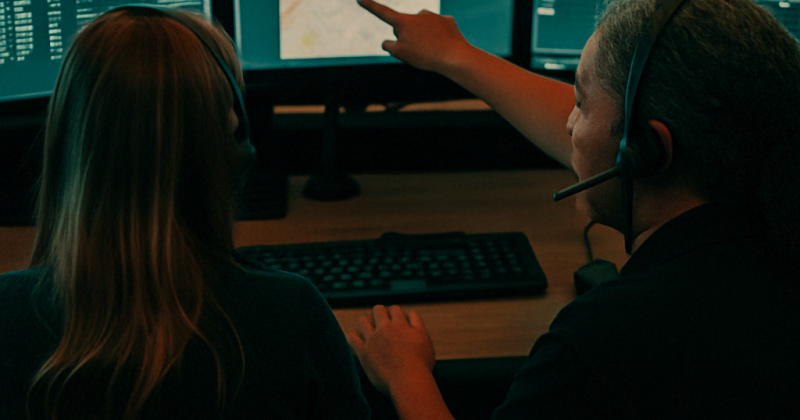
Picture a new dispatcher, only weeks into their training, when a multi-alarm structure fire breaks out. The phones light up. Units are en route. Mutual aid is activated. Amid the chaos, the trainee looks to one person—the CTO. Calmly, the CTO offers guidance, reinforces priorities, and models composure under pressure. In that moment, they’re not just supervising—they’re leading, teaching, and coaching in real time.
Communications Training Officers (CTOs) are the linchpin of a successful dispatch center. They carry the dual responsibility of shaping new dispatchers and maintaining high performance under the weight of emergencies. This article explores what defines a great CTO, the expectations they face, and practical strategies for excelling in this demanding yet rewarding leadership role.
By the end of this post, you’ll walk away with a clear understanding of the CTO’s core responsibilities, effective mentorship tools, and downloadable resources to put your coaching strategies into action.
What Is a CTO and Why Does It Matter?
A Communications Training Officer (CTO) is more than a field trainer—they are a mentor, a role model, and a key quality control measure for public safety communications. Their influence extends beyond the training period, shaping the performance, culture, and resilience of a center for years to come.
Core expectations of a CTO include:
- Teaching protocols, systems, and procedures with clarity and consistency
- Evaluating trainee performance and providing real-time feedback
- Modeling composure, ethics, and decision-making under pressure
- Fostering a culture of accountability and continuous learning
- Acting as a liaison between trainees, supervisors, and shift teams
This blend of instructional leadership and operational proficiency requires not only experience but a deliberate, structured approach to training.
The Three Roles of a Successful CTO
1. Coach: Empowering Growth Through Guidance
Coaching is about more than correcting mistakes. It’s about encouraging growth, instilling confidence, and helping trainees think critically under pressure.
A strong CTO:
- Provides immediate, constructive feedback in a calm tone—even during high-stakes situations
- Sets short-term performance goals and tracks progress collaboratively
- Asks open-ended questions to promote problem-solving and accountability
- Normalizes mistakes as part of the learning process
This level of high-stakes decision-making reflects patterns discussed in The Impact of High-Stress Calls on Dispatcher Mental Health.
2. Teacher: Delivering Knowledge in the Heat of the Moment
Dispatchers don’t train in a vacuum. Every day is a live-fire exercise. CTOs must be adept at reinforcing policies and technical skills on the fly.
Best practices for teaching under pressure:
- Use calm, clear language and avoid overloading with corrections
- Pre-brief and debrief before and after high-stress calls
- Focus on one or two teachable points per incident
- Maintain consistency in explaining procedures and expectations
Incorporating a standardized training matrix ensures that all core competencies are covered while allowing flexibility for situational learning.
3. Support System: Safeguarding Morale and Mental Health
The pressure of training can take a toll on both the trainee and the CTO. When CTOs serve as emotional anchors, they not only support skill development—they also reinforce psychological resilience.
Ways CTOs can support mental health:
- Recognize signs of fatigue, burnout, or overwhelm in trainees
- Normalize check-ins and open conversations about stress
- Advocate for trainees when workload or complexity becomes unmanageable
- Model healthy habits like deep breathing, pacing, and grounding techniques
Creating a culture of trust and psychological safety starts with the CTO’s willingness to show care and respect for the learning process.
Practical Tools for CTO Success
To enhance consistency and structure in the training process, CTOs should adopt a mix of workflow tools and communication strategies.
Suggested Framework for Daily Training Workflow:
- Pre-Shift Briefing
- Review goals and expected call types
- Anticipate potential stressors (e.g., storm, full moon, high volume)
- Live-Call Coaching
- Use side-channel notes or post-call discussions to correct in the moment
- Reinforce successful call handling with immediate praise
- Mid-Shift Review
- Quick pulse check on trainee mental state and confidence
- Adjust workload or call assignments as needed
- End-of-Shift Debrief
- Highlight wins, discuss areas for growth
- Document progress and notes in training log
- Ask for trainee input on their comfort and understanding
CTO Communication Scripts to Use or Adapt:
- “Let’s talk through what went well first—what did you feel confident about during that call?”
- “I noticed you paused before dispatching. What were you working through in your head?”
- “This is a good learning moment. Let’s break it down together.”
Common Challenges and How to Overcome Them
Trainee Freeze or Overwhelm During Calls
- Solution: Teach tactical breathing techniques and offer step-by-step reassurance. Reassign calls if necessary.
Conflicting Feedback from Multiple Trainers
- Solution: Establish a standardized evaluation framework and rotate trainers intentionally.
Lack of CTO Support or Burnout
- Solution: Advocate for CTO-specific wellness strategies and debrief with supervisors regularly.
Conclusion: CTOs as the Future of Dispatch Leadership
CTOs are more than trainers—they’re the front line of leadership development in every dispatch center. Their ability to coach, teach, and support under pressure doesn’t just shape competent dispatchers; it shapes the culture of the center itself.
Recognizing and resourcing CTOs is a vital step toward improved morale, better call handling, and increased retention.
If you’re a current or aspiring CTO, share this article with your supervisor or fellow trainers—and start a conversation about how your center can support and standardize CTO development.