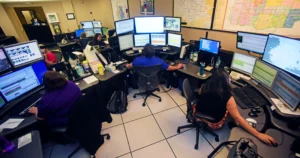
In small towns and rural communities, dispatchers work just as hard—but often with far fewer tools. Unlike their urban counterparts, rural Public Safety Answering Points (PSAPs) are frequently underfunded, isolated, or relying on outdated systems.
Despite this, many rural centers are finding ways to innovate. Whether it’s through creative partnerships, low-cost technology, or grant-funded upgrades, these centers are proving that resourcefulness can drive real change. This article examines the technological roadblocks rural dispatchers face and highlights real-world strategies some centers are using to move forward.
Common Technology Challenges in Rural Dispatch Centers
1. Aging Infrastructure
Many rural centers are still using outdated CAD systems, analog radio networks, or unsupported software. These limitations can increase response times and risk dispatcher burnout due to inefficiencies.
- Example: A PSAP in western Kentucky still relied on handwritten call logs until 2021 due to system compatibility issues.
2. Lack of High-Speed Connectivity
Geographic isolation often means limited broadband options. Without reliable internet, cloud-based dispatch systems and real-time video feeds are virtually impossible.
3. Limited Interoperability
Communications with neighboring counties or state agencies can be hindered by incompatible radio systems or the absence of shared dispatch protocols.
Innovative Tech Solutions Gaining Traction
1. Affordable CAD Alternatives
Open-source or budget-conscious CAD platforms like RapidDeploy or GeoComm offer scalable, cloud-based options perfect for rural use.
- Real Case: A three-seat PSAP in Nebraska transitioned to a cloud-based CAD via a Homeland Security grant, cutting call-processing time by 20%.
2. Satellite & Wireless Failover Systems
For centers with unreliable broadband, cellular backup systems or satellite uplinks (e.g., FirstNet deployables) offer a safety net.
3. Regional Resource Sharing
Many rural agencies are banding together to create shared call-taking centers or pooled tech budgets, allowing for bulk discounts and consistent training across locations.
- Internal Link Opportunity: See our post on Integrated Emergency Management Systems for examples of cross-agency collaboration.
4. Grants & Federal Aid
Programs like the 911 Grant Program and FEMA’s AFG can fund technology upgrades. However, many centers lack the staffing to apply—regional partnerships can help.
Tools That Make a Difference
- Mobile CAD Apps – For fire or EMS crews without MDTs, apps can bridge the gap.
- Digital Paging Systems – Replace outdated voice-only paging with silent, data-rich alerts.
- Low-Cost Video Integration – Some agencies now use video doorbell-style systems to monitor station access or provide visual confirmation from public areas.
Making It Work on a Budget
Rural centers that succeed typically do one or more of the following:
- Conduct a tech audit – Identify weak points and what upgrades would yield the biggest gains.
- Start small, scale smart – Prioritize tools that integrate easily with existing systems.
- Leverage local tech talent – Collaborate with nearby universities or tech-savvy volunteers.
- Build alliances – Partner with neighboring jurisdictions for tech sharing and training.
Conclusion
While rural dispatchers face unique challenges, innovation isn’t exclusive to big budgets. By embracing creative tech strategies and forming strong community and regional partnerships, small centers can deliver the same high-quality service their urban counterparts provide. The key is to stay curious, connected, and proactive.
✅ Want more insights?
Subscribe to The Alarm Room newsletter for weekly updates, tools, and real-world solutions.