Modern firefighting demands more than just courage—it demands data. With the evolution of fireground technology, dispatchers are no longer confined to coordinating from afar. Thanks to remote monitoring systems, they can now oversee the safety and health of frontline firefighters in real time. These systems empower dispatch centers with environmental insights and biometric data, allowing them to intervene or alert command staff when danger thresholds are crossed.
For public safety professionals, this means a new era of accountability, collaboration, and prevention. By integrating sensors that monitor temperature, air quality, heart rate, respiratory patterns, and movement, dispatch centers add a critical layer of protection. In an environment where seconds matter and conditions change rapidly, real-time data can mean the difference between recovery and tragedy.
This article explores the most impactful remote monitoring tools being implemented today, how dispatchers use them to protect firefighter health, and what the future holds. Whether you’re in the comm center or on the fireground, understanding these systems is key to creating safer, smarter operations.
How Remote Monitoring Works in the Field
Remote monitoring relies on a combination of wearable technology and embedded sensors that transmit real-time data back to dispatch or command centers. These systems often include GPS, vital signs tracking, environmental sensors, and radio integration.
Dispatchers use this data to:
- Track firefighter vitals (e.g., heart rate, respiratory rate)
- Monitor dangerous gases like CO or H₂S
- Detect temperature and humidity extremes
- Monitor motion to identify inactivity or collapse
- Maintain situational awareness through audio or visual inputs
These systems provide vital feedback loops that allow dispatchers to support safety interventions and escalation protocols.
Firefighter Vital Signs: What Dispatch Can Monitor
1. Heart Rate Monitoring
Tracks exertion and flags early signs of overexertion or cardiac risk.
2. Respiratory Rate & Breathing Patterns
Anomalies in breathing may indicate heat stress, toxic exposure, or panic response.
3. Motion & Activity Tracking
Accelerometers detect whether a firefighter is moving normally or has fallen, paused, or is unresponsive. This is crucial in mayday prevention and response.
Example:
Departments using systems like MSA’s LUNAR have documented successful mayday identifications thanks to motionless firefighter alerts transmitted back to dispatch or incident command.
Environmental Monitoring: Detecting Hidden Threats
1. Gas Detection Sensors
CO, H₂S, and other hazardous gases are often invisible killers. Dispatchers can receive alerts when levels spike, helping to clear crews before exposure occurs.
2. Temperature & Humidity Sensors
Prolonged exposure to extreme temperatures is a risk factor for heat stroke and hypothermia. By monitoring this remotely, dispatch can encourage rotations or rehab sooner.
3. Fireground Air Quality
Particulate monitors detect smoke, soot, and toxins that may exceed SCBA protection durations. Some systems are now AI-enabled to predict worsening air conditions.
Integration with Incident Command and Dispatch Systems
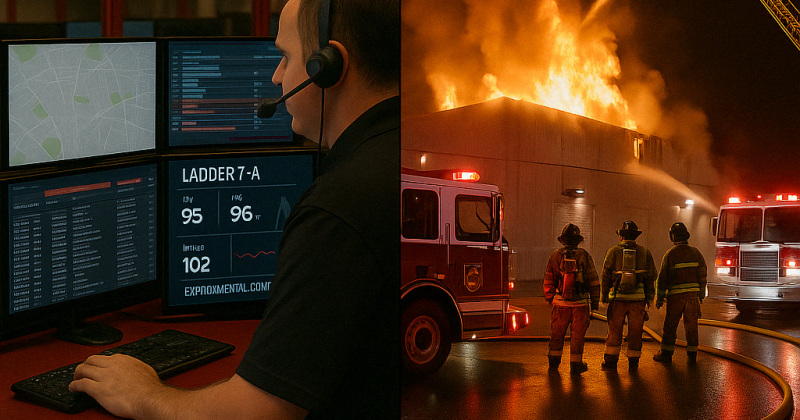
Modern remote monitoring systems integrate with CAD and AVL systems, providing a comprehensive dashboard that links personnel vitals with incident location, duration, and response strategies. Some systems automatically escalate alerts based on thresholds set by agency protocols.
Check out these articles too:
- Developing Effective Communication Skills: Bridging the Gap Between Dispatchers and First Responders
- The Role of Fire Dispatchers in Incident Command Systems: A Leadership Perspective
The Benefits of Real-Time Oversight
- Improved firefighter safety and survivability
- Faster mayday identification and response
- Informed command decisions during dynamic operations
- Reduced exposure to cumulative stress injuries and burnout
- Accountability in post-incident reviews
Challenges and Considerations
- Upfront investment and grant funding needs
- Dispatcher workload and information overload
- Privacy concerns regarding biometric data
- Training requirements for all involved staff
Agencies should approach integration with structured SOP updates and collaboration between dispatch, command, and frontline personnel.
Conclusion
Remote monitoring systems are transforming how dispatchers protect the very crews they serve. No longer just a voice behind the radio, today’s fire dispatchers are tech-enabled partners in frontline safety. With access to live vitals, environmental threats, and motion data, dispatch centers can act as early warning systems, reinforcing the safety net for firefighters in high-risk environments.
These tools don’t replace traditional command—but they amplify it. They give dispatchers the power to make data-driven decisions, suggest rehab breaks, or sound the alarm when something feels off. By investing in these systems, fire departments demonstrate a proactive commitment to crew welfare and modernized operations.
For agencies looking to implement remote monitoring or improve existing setups, now is the time to start the conversation. Explore available tools, grant opportunities, and pilot programs. And most importantly—ensure every voice in the system is heard, including dispatch.