Introduction
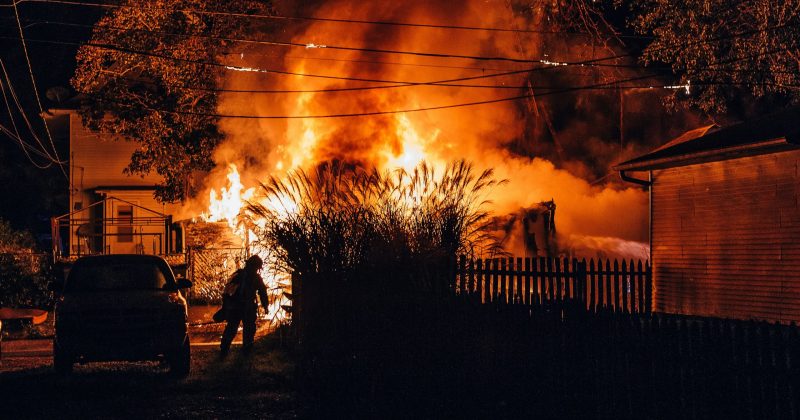
You’ve handled the chaos of a three-alarm fire while juggling simultaneous EMS calls and coordinating mutual aid over a patchy radio system. The dust settles, and now it’s time to document the incident — but the tools at your disposal feel more like a step backward than a leap into the future.
For decades, fire and EMS personnel have relied on the National Fire Incident Reporting System (NFIRS) to collect and submit data. But NFIRS, launched in the 1970s, is showing its age. Dispatchers often find themselves on the fringes of this process, their input minimized despite their pivotal role in incident initiation and interagency coordination.
Enter the National Emergency Response Information System (NERIS) — a comprehensive overhaul aimed at modernizing how emergency services collect, analyze, and share data. This post explores what NERIS means for dispatchers, how it will reshape your workflows, and why now is the time to get involved in shaping the future of reporting.
What Is NERIS and Why Does It Matter?
NERIS is a new, next-generation platform designed by the U.S. Fire Administration to replace NFIRS. Its mission:
To transform how local, state, and federal fire services gather and utilize emergency response data.
Key Objectives of NERIS:
- Real-time data reporting
- Streamlined integrations with CAD and RMS systems
- Greater inclusion of EMS and non-traditional fire department activities
- Enhanced interoperability across jurisdictions and disciplines
Unlike NFIRS, which focused largely on fire incidents after the fact, NERIS will capture the full lifecycle of an incident—starting from the moment a dispatcher enters a call. That means your actions, decisions, and even timestamps could become part of the formal record.
How Will NERIS Affect Fire Dispatch Operations?
Dispatchers are at the front lines of every incident, yet they’ve historically been excluded from key data reporting conversations. With NERIS, that changes.
Impacts on Dispatch Operations:
- Integrated CAD Data
NERIS will pull dispatch times, unit assignments, response modes, and even caller location directly from your CAD systems. Accurate dispatcher documentation will play a vital role in data integrity. - Expanded Incident Typing
Gone are the days of vague incident codes. NERIS introduces a broader, more nuanced categorization system that reflects the diversity of modern fire and EMS response — including technical rescues, mental health calls, and hazmat incidents. - Greater Emphasis on Mutual Aid & Multi-Agency Coordination
Mutual aid responses will be tracked with more clarity. This means your role in activating outside agencies will be documented and analyzed, reinforcing the operational importance of dispatchers in regional planning. - Analytics that Include Communication Timelines
With timestamps from CAD integration, NERIS enables new analytics on call-to-response times, pre-arrival actions, and dispatcher decision-making — critical for QA, performance reviews, and funding justifications.
Opportunities for Dispatcher Leadership and Advocacy
NERIS presents a rare opportunity for dispatch leaders to advocate for greater visibility and recognition within the ICS structure.
Ways to Get Involved:
- Participate in NERIS Pilot Programs
Reach out to local leadership and express interest in participating in NERIS beta testing or state-level feedback groups. - Review Current NFIRS Submission Practices
Understand how dispatch data is (or isn’t) currently used. Offer recommendations for future-state workflows. - Collaborate on Interagency SOPs
Work with fire chiefs, EMS leaders, and IT teams to ensure dispatch perspectives are built into NERIS-aligned policies and system configurations. - Train Your Teams
Include NERIS fundamentals in onboarding and continuing education. Dispatchers should understand how their work contributes to downstream reporting and analysis.
This level of high-stakes decision-making reflects patterns discussed in The Impact of High-Stress Calls on Dispatcher Mental Health, particularly when call-takers are navigating resource limitations and escalating incidents in real time.
Preparing Your Center for the Shift to NERIS
Transitioning to NERIS won’t happen overnight — but preparation should begin now.
Readiness Checklist for Fire Dispatch Centers:
✔ Review and audit your current CAD timestamps and data export quality
✔ Establish working relationships with your fire department’s data coordinators
✔ Train dispatchers on emerging NERIS-compatible call types and terminology
✔ Begin documenting interagency and mutual aid calls with greater precision
✔ Talk with your CAD/RMS vendor about upcoming NERIS integrations
Bold key terms, use real-time analytics, and foster interagency alignment. These are no longer buzzwords — they’re expectations in a data-driven response environment.
Conclusion: Why This Matters for Dispatchers
NERIS is more than a technical upgrade — it’s a strategic shift that recognizes the full scope of emergency response and the critical role dispatch plays in it. By capturing dispatch input from the beginning of an incident and integrating it throughout the reporting lifecycle, NERIS elevates the visibility and value of dispatchers like never before.
Embracing this transition isn’t just about adapting to new software. It’s about reclaiming our role in the incident lifecycle, advocating for better tools, and ensuring that our contributions are fully represented in the data that drives funding, policy, and training.
✅ Talk with your team.
✅ Start the conversation with your fire leadership.