Picture this: a fire is rapidly advancing through a residential structure, and crews are en route. On the surface, everything seems smooth—until a delay in communication causes confusion over entry points, hose lines, and available mutual aid. These moments are make-or-break—and all too often, they stem from dispatchers being stretched thin across police, EMS, and fire calls. Fireground operations require precision, clarity, and a deep understanding of fire service dynamics. That’s where specialized fire dispatchers come in.
The concept is simple, but its impact is profound. Dispatchers dedicated solely to fire and EMS operations bring sharper focus, faster response, and communication that matches the tempo and complexity of the fireground. This post explores how transitioning from generalized to specialized fire dispatchers transforms emergency response—from call intake to scene support—and why it’s not just a staffing decision, but a strategic investment in firefighter safety and operational success.
The Communication Gap in Traditional Centers
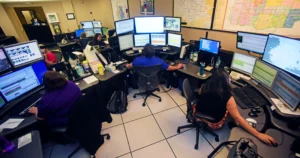
Many PSAPs operate under a universal model where call-takers and dispatchers handle all service types. While efficient on paper, this model often overlooks the specific needs of fire services: sectorization, resource tracking, air management, and complex multi-agency coordination.
Real-World Example:
In a 2021 structure fire, crews in a multi-agency response zone experienced delays due to a dispatcher unfamiliar with local fire tactics. Post-incident analysis traced the communication breakdown to lack of fireground-specific knowledge.
How Specialization Solves It
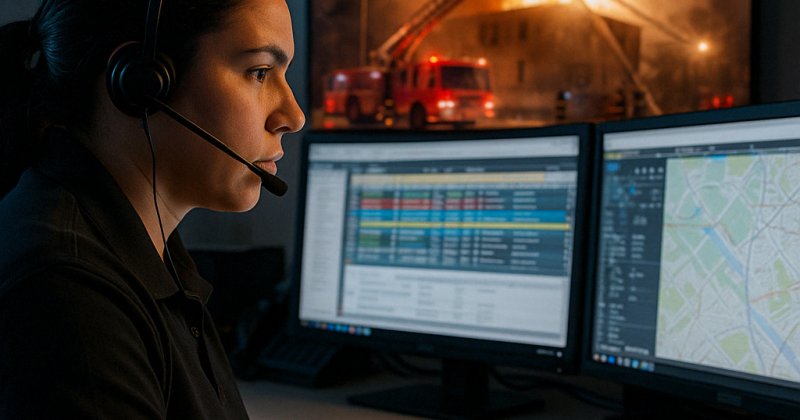
Dedicated fire dispatchers undergo training that mirrors the real-world dynamics of fire response—understanding command structures, radio discipline, and technical rescue communications. Their focused role builds muscle memory and decision-making instincts crucial during high-pressure events.
Key Benefits:
- Faster recognition of fire service jargon and tactical terms
- Proactive resource allocation and backup deployment
- Immediate alignment with IC’s strategic goals
Training: Going Beyond the Basics
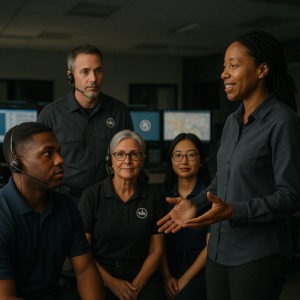
Specialized dispatchers are not just trained on CAD systems and 10-codes. They’re taught to think like firefighters—learning SOPs, ICS structures, and even fireground tactics. This dual perspective bridges the communication gap between the console and the curb.
Better Fireground Outcomes
Studies and agency reports consistently show improved scene safety and efficiency when dispatchers are trained specifically for fire roles. The ability to anticipate needs and respond with urgency, not hesitation, leads to stronger outcomes.
Improving Morale and Reducing Turnover
When fire crews feel heard, understood, and supported by dispatch, morale increases on both sides of the radio. Specialized roles create career growth opportunities for dispatchers, leading to higher retention and better team cohesion.
Specialized fire dispatching is not a luxury—it’s a necessity. From improved communication and scene coordination to firefighter safety and dispatcher retention, the benefits extend across every level of the fire service. Dispatchers who focus exclusively on fire response can become tactical assets, not just behind-the-scenes facilitators.
Now is the time to advocate for dedicated fire dispatchers—not just for operational efficiency, but because lives depend on it. If your center is considering this shift, use this guide as a starting point for change. And if you’re already part of a specialized dispatch system, share your wins. Your experience could inspire the next agency to raise the bar.