The Missed Link in the Chain of Command
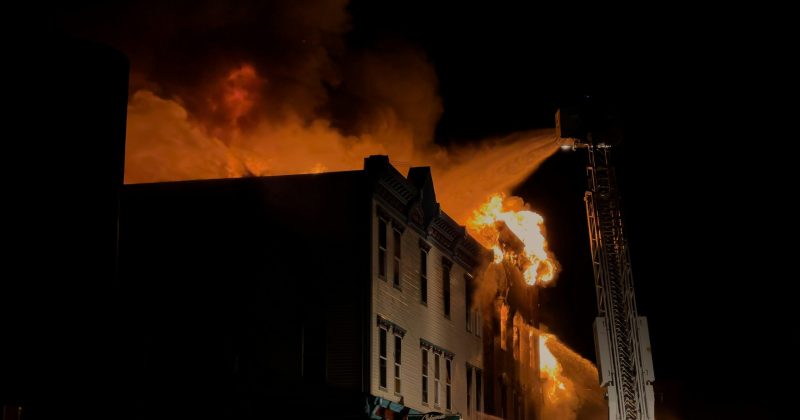
Picture this: a multi-agency response to a large structure fire. Crews are en route, air support is being considered, and mutual aid has been requested. But no one has looped in the dispatch center beyond the initial alarm. As command evolves on scene, critical decisions are made—but the dispatchers, those who manage the flow of resources and communication, remain sidelined.
This scenario isn’t uncommon. Despite being the first point of contact and the central hub of coordination, dispatchers are often excluded from the broader operational picture. This communication breakdown doesn’t just affect morale—it risks lives, efficiency, and the success of the entire incident response.
This post is for dispatchers, public safety leaders, and supervisors looking to build more integrated, effective communication between the field and the communications center. We’ll explore actionable strategies rooted in standards from APCO, NENA, IAED, and FEMA to close the information loop and elevate operational performance across the board.
Understanding the Communication Divide
What Causes the Gap?
Several factors contribute to communication barriers between dispatchers and field responders:
- Lack of shared training: Dispatchers and field crews often train separately, leading to differing priorities and terminology.
- Technological silos: Disparate radio channels, CAD systems, and communication tools may not sync efficiently.
- Cultural disconnects: Dispatchers may be seen as support-only roles, not operational partners, particularly in high-stakes scenarios.
- Information overload: Field units may filter what they share with dispatch, assuming it’s unnecessary or already known.
Bridging this gap requires mutual understanding, systems alignment, and inclusive protocols that value dispatch as a core part of the operational team.
Strategies for Strengthening Communication
1. Integrate Dispatchers into ICS Training and Simulations
Dispatchers should not just be aware of the Incident Command System—they should be active participants in training and tabletop exercises. According to FEMA ICS guidance, dispatchers play a vital role in resource tracking, communication flow, and logistical support during multi-agency incidents.
Best Practices:
- Include dispatchers in all ICS refresher courses.
- Assign dispatch liaisons during large-scale events or preplanned operations.
- Use simulation software that mirrors real CAD/RMS systems to replicate realistic stressors.
This level of high-stakes decision-making reflects patterns discussed in ‘The Impact of High-Stress Calls on Dispatcher Mental Health.’
2. Create Shared Language and Field-Ready Briefing Formats
Miscommunication often stems from how information is delivered. Dispatchers trained to speak in concise, structured formats reduce confusion under pressure.
Use this field-ready framework for high-priority incident relays:
- Who: Involved units and their current locations.
- What: Nature of the call or incident, including updates.
- Where: Exact location (with cross streets or landmarks).
- When: Timings that impact resource allocation.
- Why/How: Relevant background or escalation factors.
Sample Script:
“Command, Engine 24 is staged at the Bravo side. Heavy smoke showing. Two patients evacuated. Medic 12 is inbound. Estimated arrival five minutes.”
3. Implement Post-Incident Reviews Involving Dispatch
Debriefing after major calls is standard in most fire and EMS agencies, but dispatchers are frequently excluded. This omission is a missed opportunity for learning and trust-building.
Start small:
- Invite dispatchers to one major debrief per month.
- Use recorded audio to review key communication decisions.
- Celebrate dispatch wins—accurate staging instructions, early recognition of escalation, or effective radio traffic control.
4. Cross-Train Field and Communications Staff
When firefighters, paramedics, and law enforcement officers spend time in the dispatch center (and vice versa), it promotes empathy and operational understanding.
Cross-Training Benefits:
- Field units gain appreciation for multi-agency coordination.
- Dispatchers better understand on-scene challenges and needs.
- Shared experience strengthens teamwork and reduces friction.
Set up a quarterly rotation or ride-along program that includes shadowing shifts both in the comm center and in the field.
5. Standardize Radio Protocols with Flexibility for Local Adaptation
APCO and NENA both emphasize the importance of consistent radio protocols across jurisdictions. However, these must be tailored to your agency’s structure, geography, and available resources.
Key Elements to Review:
- Priority order of information during emergencies
- Use of plain language vs. ten codes
- Pre-alert tones and alerting standards
- Radio etiquette and microphone discipline
Tip: Develop quick-reference cards for dispatchers and responders outlining essential radio protocols.
6. Use Technology to Support—not Replace—Dispatcher Judgment
CAD upgrades, AI-assisted dispatch, and AVL mapping tools are all becoming more prevalent. While helpful, these tools must supplement—not override—the experience and instinct of trained dispatchers.
Recommendations:
- Encourage user feedback during tech rollouts.
- Train for system failures: what happens when AVL drops or CAD crashes?
- Leverage instant messaging for low-priority, non-urgent updates to reduce radio clutter.
7. Promote Dispatcher Inclusion in Operational Planning
For recurring events (marathons, parades, fire drills), involve dispatchers early in the planning process. This ensures:
- Communication needs are addressed before problems occur.
- Radio channel assignments are realistic and understood.
- Dispatch staff are briefed on site layout, staging, and command structure.
This proactive planning makes dispatchers a strategic asset, not just a reactive function.
A Vital Leadership Role in Communication
Dispatchers are more than message relayers—they are central to the success of any public safety response. When communication flows seamlessly between the comm center and field units, response times shrink, safety increases, and morale improves.
Public safety leaders should actively foster collaboration between dispatch and the field, building bridges through shared training, inclusive planning, and clear protocols. Recognizing the leadership role of dispatchers within the ICS and broader operations doesn’t just improve efficiency—it shows respect for the professionals holding the line behind the scenes.
What Can You Do Today?
- Share this article with your agency’s training officer.
- Start a conversation about including dispatch in your next simulation.
- Reflect on your last major incident—how could communication have been more effective?