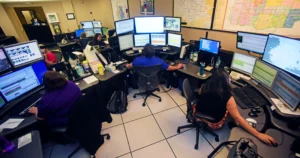
Emergency dispatchers stand at the crossroads of crisis and response every day, absorbing high-pressure situations and carrying emotional weight long after their shifts end. Yet, in a field where others’ emergencies dominate the workday, taking time to recharge off-duty often feels like a luxury rather than a necessity.
Ignoring the need for mental boundaries, however, can lead to burnout, decreased performance, and serious health impacts. For dispatchers, mastering the art of mental detachment after a shift isn’t indulgent — it’s survival.
In this post, we’ll explore effective strategies for reclaiming your personal time, restoring your emotional balance, and setting up healthy mental boundaries between work and home life.
How the Dispatcher Role Blurs Work-Life Lines
Being a dispatcher often means carrying emotional residues home. You might find yourself replaying calls, worrying about outcomes, or feeling too mentally drained to fully engage with family or friends.
Unlike many other professions, dispatchers operate in constant proximity to trauma, urgency, and life-or-death decisions — making clear separation between “on” and “off” hours challenging but essential.
Signs You’re Struggling with Off-Duty Recovery
Recognizing the red flags is step one:
- Intrusive Thoughts: Replaying calls during personal time.
- Hypervigilance: Constantly feeling on edge, even at home.
- Emotional Numbness: Difficulty connecting with loved ones.
- Physical Symptoms: Chronic fatigue, headaches, or digestive issues.
- Increased Irritability: Snapping at minor frustrations.
Real-World Example:
In a survey by the National Emergency Number Association (NENA), 82% of dispatchers reported symptoms consistent with secondary traumatic stress, yet only 10% had formal recovery plans in place.
Building Strong Mental Boundaries: Strategies That Work
1. Create a Transition Ritual
Establish a simple, repeatable action that signals the end of your shift:
- Listening to a favorite playlist on the drive home.
- Taking a 5-minute outdoor walk after leaving the center.
- Deep breathing exercises at your workstation before clocking out.
2. Set Clear Digital Boundaries
- Avoid checking work emails, CAD systems, or group chats after hours unless it’s part of an on-call duty.
- Mute work-related notifications during off-hours.
3. Prioritize Physical Activity
Movement helps process stress hormones stored in the body.
- Yoga, walking, cycling, or stretching post-shift can aid recovery.
- Small, regular movement beats intense but infrequent sessions.
Related Reading:
➡️ The Role of Physical Movement in Mental Health for Sedentary Roles
4. Practice Mental Grounding Techniques
- Visualization: Imagine mentally “locking” work thoughts in a secure box.
- Mindfulness Exercises: Spend 10 minutes focused only on present surroundings.
5. Invest in Hobbies Unrelated to Dispatch
- Gardening, painting, gaming, writing — activities that require a different cognitive focus can reset your mind.
- Schedule these activities like appointments.
Emergency Recovery Protocol: When Stress Builds Up Anyway
Even with strong boundaries, some days will overwhelm. Have an emergency plan:
- Recognize It: Don’t minimize signs of overload.
- Communicate: Let someone trusted know you’re struggling.
- Debrief Formally: If your center has peer support, use it.
- Use Time-Off Wisely: A mental health day is recovery, not weakness.
Related Reading:
➡️ Crisis Within the Crisis: Supporting a Teammate Through Mental Health Struggles
Conclusion
The work of a dispatcher demands immense strength — but true strength includes knowing when to step back, heal, and recharge.
By intentionally creating boundaries and prioritizing off-duty recovery, you protect not just your personal health, but also your ability to serve your team and your community at the highest level.
You’ve earned your time to rest. Protect it. Defend it. Prioritize it.
🔔 Subscribe to The Alarm Room for more actionable mental health strategies built by and for Fire and EMS dispatchers.