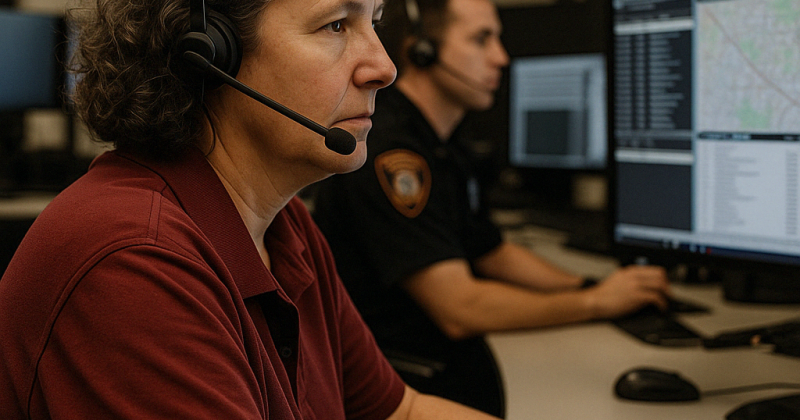
Communications Training Officers (CTOs) are the backbone of a dispatch center’s development pipeline. Their dedication ensures new dispatchers are field-ready, confident, and aligned with operational standards. But while much attention is placed on the success of new hires, the long-term wellness of the trainers themselves is often overlooked.
Trainer fatigue can manifest subtly—waning enthusiasm, repetitive content delivery, emotional exhaustion—and over time, it threatens the quality of instruction and the retention of training staff. In a high-stress environment like emergency communications, supporting your CTOs isn’t just a nice-to-have; it’s essential for operational excellence and team resilience.
In this article, we’ll dive into the causes of CTO fatigue, offer actionable ways to prevent it, and explore strategies agencies can implement to protect and empower their most experienced trainers.
What Causes CTO Burnout?
- Emotional Load of Mentorship
CTOs carry the emotional burden of both teaching and managing trainees. They often feel responsible not only for technical outcomes but also for the morale, professionalism, and long-term success of each trainee. That weight, repeated over time, takes its toll. - Repetitive Training Cycles
Delivering the same material to a revolving door of new hires can become monotonous. Without room for creativity or innovation, the work can lose its sense of fulfillment. - Lack of Recognition or Advancement
CTOs often remain in training roles for years with minimal acknowledgment or paths to promotion. Without milestones or development, motivation declines. - Role Confusion or Overextension
In many agencies, CTOs juggle full dispatch duties alongside training responsibilities. The dual burden increases the likelihood of fatigue and frustration.
Signs Your CTO Might Be Burning Out
- Reduced enthusiasm or energy in training sessions
- Complaints about repetitive work
- Avoidance of taking on new trainees
- Lowered patience or increased frustration
- More sick days or time-off requests
How to Support Long-Term CTOs
- Rotate Responsibilities Strategically
Allow CTOs to alternate between training and operations or lead specialized training modules to keep things fresh. - Recognize and Reward Excellence
Provide tangible recognition—awards, stipends, public praise, leadership opportunities—to reinforce the value of their work. - Provide Ongoing Professional Development
Send CTOs to external conferences, offer in-house leadership training, or bring in speakers to keep them learning and growing. - Establish Peer Support Networks
Facilitate monthly CTO roundtables or mentorship groups. Peer connection combats isolation and helps trainers swap ideas. - Encourage PTO and Schedule Flexibility
Let CTOs decompress between training cohorts. Building in breaks helps recharge motivation. - Solicit Feedback Actively
Check in regularly and ask how they’re doing, what support they need, and what changes might improve their experience.
Internal Training Examples That Work
🚨 Red Oak Fire Dispatch rotates their senior CTOs every six months between onboarding and scenario-based refreshers to keep content and delivery dynamic.
🚨 West County EMS created a “CTO Ladder” program with incremental pay increases and leadership mentoring after one, three, and five years in the role.
(See also: The Role of the CTO: Coaching, Teaching, and Supporting Under Pressure and Building Resilience: Training Dispatchers to Handle Traumatic Calls)
Conclusion:
CTOs are the culture carriers of your dispatch center. They shape how new team members approach the job, navigate crises, and treat each other. Supporting them isn’t just about preventing burnout—it’s about preserving the integrity and strength of your agency.
By creating systems of recognition, growth, and recovery, you’re investing in the future of your entire team. Let’s move from “just get through the next trainee” to building sustainable, rewarding CTO careers.