When Seconds Matter: Why True Integration Is More Than a Buzzword
Picture this: a multi-agency response to a chemical spill unfolds rapidly across a dense urban area. Dispatchers are juggling real-time updates, units are en route, and the scene is growing more complex by the minute. But there’s a catch—fire command is operating from a different information platform, and updated situational reports aren’t flowing to the communications center.
This isn’t a hypothetical. For many agencies, fragmented systems lead to real delays, duplicated efforts, and missed critical updates. And too often, dispatchers—who are the first link in the emergency response chain—are excluded from Incident Command System (ICS) planning discussions entirely.
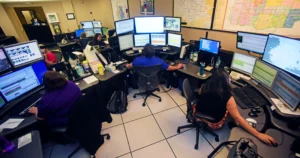
Integrated Emergency Management Systems (IEMS) offer a solution, providing a unified, interoperable approach to managing emergencies. These systems combine dispatch technology, mobile data, GIS, records management, and emergency planning platforms into a cohesive network. The result? More efficient collaboration between dispatchers, firefighters, and other responders.
In this article, we’ll explore:
- What defines an Integrated Emergency Management System
- How IEMS supports better incident outcomes
- Why dispatcher inclusion in ICS planning is essential
- Actionable ways your agency can improve integration
What Is an Integrated Emergency Management System (IEMS)?
An Integrated Emergency Management System is a comprehensive framework that consolidates multiple emergency management functions into a unified platform. This includes:
- Computer-Aided Dispatch (CAD) systems
- Incident Command tools
- Mobile data terminals (MDTs)
- Geographic Information Systems (GIS)
- Resource tracking and allocation platforms
- Inter-agency communication protocols
- After-action reporting and analytics
Rather than relying on siloed systems with limited interoperability, IEMS enables dispatchers, command staff, and field responders to access the same situational data in real time.
Key Takeaway: IEMS is not just about tech—it’s about aligning people, processes, and platforms to create a shared operational picture.
Strengthening the Dispatcher-Firefighter Connection
In a high-stakes environment, miscommunication can cost lives. IEMS empowers dispatchers to act as true force multipliers by giving them access to:
- Live unit tracking and status updates
- Automated alerts from field operations
- Shared ICS forms and communication logs
- Direct access to tactical radio channels or integrated VoIP
This alignment ensures dispatchers are more than message relays—they are informed participants in real-time decision-making. In fact, this level of high-stakes decision-making reflects patterns discussed in “The Impact of High-Stress Calls on Dispatcher Mental Health.”
Real-World Example: Hurricane Evacuation Coordination
During a large-scale evacuation, a coastal county in the Southeast used a fully integrated platform linking dispatch with emergency operations. GIS data overlaid with traffic congestion and fuel supply data allowed dispatchers to reroute EMS units dynamically and update the public in real time. The result? Reduced response time and fewer transport delays for vulnerable populations.
Dispatcher Inclusion in ICS: A Leadership Imperative
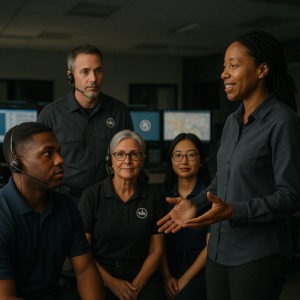
Historically, dispatch has been excluded from ICS briefings and planning. But when you implement IEMS, this gap becomes more apparent—and more fixable.
Why dispatcher inclusion matters:
- Enhanced situational awareness: Dispatchers gain a full operational picture, reducing confusion and delay.
- Improved resource deployment: Accurate information means faster, smarter unit assignments.
- Increased morale and agency cohesion: Dispatchers who are seen as part of the response team feel valued and engaged.
Best Practice: Invite communication center supervisors to sit in on pre-incident planning sessions and post-incident reviews. Their insights often uncover overlooked system gaps.
Implementing IEMS in Your Agency
Step-by-Step Integration Workflow:
- Conduct a needs assessment:
Identify current system limitations and cross-agency pain points. - Select interoperable technology partners:
Prioritize vendors that support open APIs, NENA standards, and CAD-to-CAD interfaces. - Engage cross-functional stakeholders:
Include dispatchers, IT, command staff, and mutual aid partners from the outset. - Pilot and test:
Run drills using IEMS workflows. Include dispatch in tabletop ICS exercises. - Evaluate and iterate:
Collect feedback, adjust workflows, and reinforce training.
Bold Move: Assign a dedicated IEMS coordinator to oversee rollout and serve as liaison between communications and fire operations.
Standards and Frameworks to Follow
The following standards and resources can guide your IEMS implementation:
- NFPA 1225: Standard for Emergency Services Communications
- NENA NG911 Standards: Next-Gen interoperability and data integration
- FEMA’s NIMS & ICS Frameworks: Foundation for unified command operations
- APCO Project 43: Examining the future of 9-1-1 communications
- IAED Protocols: Aligning dispatch decision-making with field priorities
Overcoming Common Barriers
Even with the best intentions, integration efforts often stall. Here’s how to tackle the usual suspects:
- Siloed leadership: Host joint briefings and promote interdepartmental champions.
- Budget limitations: Leverage FEMA and DHS grant funding where applicable.
- Training gaps: Develop ongoing training that includes dispatchers and field responders together.
Checklist:
✔ Include dispatch in all emergency planning committees
✔ Standardize terminology across agencies
✔ Schedule monthly IEMS drills
Conclusion: Redefining the Role of Dispatch in Emergency Management
Integrated Emergency Management Systems aren’t just about better software—they represent a cultural shift toward unity, transparency, and shared mission.
When dispatchers are integrated into ICS planning and connected to the same data as field personnel, incident response becomes more nimble, informed, and effective. Just as important, dispatchers gain long-overdue recognition as central figures in emergency management.
This shift boosts morale, sharpens agency-wide coordination, and sets the stage for innovation.