The Silent Command Post: Why Leadership Evaluation Matters in Fire Dispatch
Imagine a structure fire with entrapment. The battalion chief is on scene, the first-due engine is stretching a line, and air support is en route. But behind the scenes, the dispatch supervisor is coordinating mutual aid, managing channel flow, and ensuring command updates reach the right people—all while guiding a new dispatcher through their first major incident. Despite their pivotal role in managing these layers of complexity, dispatch leaders are rarely included in after-action reviews or ICS planning conversations.
That silence costs agencies more than just recognition—it impacts operational efficiency, morale, and long-term readiness.
This post explores how to evaluate leadership in fire dispatch centers using clear, actionable performance metrics. Whether you’re a frontline dispatcher, a shift supervisor, or a communications director, these insights will help you recognize strong leadership, identify gaps, and advocate for systemic improvements. You’ll discover:
- Core leadership KPIs tailored to fire dispatch operations
- Tools and frameworks from APCO, NENA, FEMA, and NFPA
- How to align dispatch leadership with ICS and agency-wide strategy
- A downloadable Incident Command Leadership Toolkit to implement best practices
Let’s elevate the conversation—because strong leadership deserves more than a headset and a quiet nod.
Understanding Leadership in the Dispatch Context
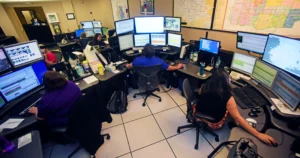
Leadership in fire dispatch is unique. Unlike traditional supervisory roles, dispatch leaders must manage crisis workflows, technical systems, emotional stressors, and interpersonal dynamics—all in real time.
Dispatch leadership isn’t just administrative—it’s operational. Leaders must balance resource coordination, incident command support, and team wellness without ever leaving the comms floor. Traditional performance reviews or business KPIs often miss these nuances.
Key Domains of Leadership in Dispatch:
- Operational Oversight: Incident management, ICS coordination, resource deployment
- Personnel Development: Training, coaching, shift mentoring
- Quality Assurance: Call audits, protocol adherence, procedural updates
- Interagency Collaboration: Mutual aid, task force coordination, emergency response liaisons
- Crisis Decision-Making: Triage under pressure, policy interpretation in dynamic environments
These domains form the foundation of how leadership performance should be assessed.
Core Leadership Metrics: What to Measure and Why
1. Response Time to Internal Escalations
Not just call dispatch speed, but how quickly a leader responds to issues raised by team members—technical problems, policy questions, or emotional debriefing needs.
Metric: Median time to supervisor intervention during high-acuity calls
Why it matters: Fast, calm intervention builds trust and maintains operational control.
2. QA Audit Scores for Supervised Staff
APCO and NENA recommend regular call audits, but few agencies correlate these with supervisory impact.
Metric: QA improvement trends among staff under a specific supervisor
Why it matters: Effective leaders elevate team performance over time.
3. ICS Role Integration Score
Many fire dispatchers operate outside of formal ICS frameworks despite their critical role.
Metric: Frequency and effectiveness of dispatcher integration into ICS workflows (tracked during drills and live events)
Why it matters: Alignment with ICS ensures streamlined communication and resource flow.
This level of high-stakes decision-making reflects patterns discussed in “The Impact of High-Stress Calls on Dispatcher Mental Health.”
4. Peer and Subordinate Feedback
Anonymous feedback from both dispatchers and partnering agencies can surface leadership blind spots.
Metric: Quarterly leadership feedback scores on communication, decision-making, and availability
Why it matters: Feedback builds a culture of accountability and growth.
5. Training Completion and Retention Rates
Are supervisors ensuring that new hires complete onboarding? Are teams retaining critical knowledge?
Metric: % of staff completing training milestones + retention of protocol knowledge (measured via quizzes or QA)
Why it matters: Strong leadership supports continuous learning.
Tools and Frameworks to Support Leadership Evaluation
APCO/NENA QA/QI Standards
Use these for structuring consistent, objective call reviews. Tailor them to include leadership touchpoints—e.g., “Was supervisor support available and effective?”
FEMA’s ICS for Supervisors Guide
Leverage FEMA’s training materials to ensure dispatch leaders understand their role within ICS.
IAED Leadership Competencies
Focuses on communication, empathy, and procedural adherence. Can be adapted for dispatch-specific evaluations.
Sample Monthly Leadership Dashboard:
Metrics to Include:
- QA trendline (by team/supervisor)
- ICS drill participation rate
- Shift coverage efficiency
- Escalation resolution time
- Wellness check-ins logged
Delivery Format: Google Sheets, updated monthly, shared with command staff
Case Example: Elevating Accountability at SFDEM
The San Francisco Department of Emergency Management (SFDEM) has been a leader in performance-driven dispatch operations. In their Strategic Plan, SFDEM outlines the use of Key Performance Indicators (KPIs) to improve not just call-taking and dispatch times, but also leadership effectiveness.
One notable initiative includes tracking supervisory response to critical incident escalations and integrating that data into their quality improvement (QI) cycles. Supervisors are evaluated on their ability to coach in real time, resolve resource conflicts, and maintain calm during high-pressure events.
Additionally, SFDEM has implemented ICS-integrated training scenarios, where dispatch supervisors actively participate in structured command post exercises alongside field personnel. This promotes operational visibility and reinforces their leadership role in incident management.
These initiatives demonstrate how aligning dispatch leadership metrics with agency-wide priorities can elevate performance and foster stronger interdepartmental collaboration.
Building a Culture of Leadership Accountability
Leadership isn’t just about authority—it’s about service. And in dispatch centers, the margin for error is razor thin. By incorporating leadership metrics into daily operations, we validate the critical, often invisible work done by those managing the front line of emergency communication.
Leadership metrics also create upward visibility. When dispatch supervisors demonstrate measurable value in ICS participation, interagency collaboration, and team development, they’re more likely to be included in executive-level decisions.
Conclusion: Recognizing the Command Behind the Console
Fire dispatchers and their supervisors are often the first to act and the last to be acknowledged. But leadership from the comms floor can shape outcomes, save lives, and set the tone for entire agencies.
Evaluating leadership performance isn’t just a management exercise—it’s a strategy for operational excellence and a step toward the recognition dispatchers have long deserved. By using defined KPIs, leveraging trusted frameworks, and creating systems of accountability, we move closer to a future where dispatch leadership is recognized as essential to the fire service mission.