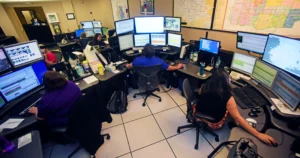
It’s 3:17 a.m., and the radio crackles to life—another structure fire. Your eyes burn from fatigue, your brain is foggy from the fourth night shift in a row, and your body feels disconnected from the world around you. While firefighters race to the scene, you stay anchored to the console, managing resources, relaying updates, and anticipating needs that may not yet be voiced. There’s no time for rest, and rarely time for recovery.
For public safety dispatchers, this isn’t the exception—it’s the norm.
Shift work is woven into the fabric of emergency communications, but it comes at a steep cost. The rotating schedules, extended hours, and overnight shifts disrupt sleep cycles, strain relationships, and contribute to long-term physical and mental health challenges. Yet these impacts are often overlooked by agency leadership and underrepresented in wellness initiatives.
This article is designed to change that narrative.
You’ll gain a deeper understanding of how shift work affects dispatcher mental health, from circadian disruption to emotional burnout. More importantly, you’ll discover actionable strategies and wellness tools to help you (or your team) build resilience, reclaim balance, and protect long-term well-being in a role that never sleeps.
How Shift Work Affects Dispatcher Mental Health
Emergency communications never stop—and neither do the dispatchers. While critical to operational continuity, 24/7 staffing demands create unnatural routines that conflict with the body’s biological need for consistency.
Circadian rhythm disruption is one of the most damaging effects of rotating or overnight shifts. The body’s internal clock regulates sleep, digestion, hormone production, and even mood. When dispatchers are regularly awake and alert during the body’s “rest phase,” they experience chronic sleep deprivation, hormonal imbalances, and cognitive fatigue.
The consequences are significant:
- Insomnia and poor sleep quality
- Increased risk of anxiety and depression
- Elevated stress hormone levels
- Irritability and emotional dysregulation
- Weakened immune function
Over time, dispatchers may begin to feel emotionally numb, disconnected from loved ones, or overwhelmed by small tasks. This internal exhaustion—often masked by professional composure—can quickly spiral into burnout or more serious mental health conditions.
Circadian Disruption and Sleep Challenges in 24/7 Operations
Most people have sleep cycles that align with daylight. Dispatchers, however, are often forced to fight biology.
Even those on fixed night shifts struggle to find restorative sleep during the day due to environmental noise, sunlight exposure, and household responsibilities. Add rotating shifts, mandatory overtime, or frequent shift swaps, and the instability compounds.
Sleep challenges commonly reported by dispatchers include:
- Trouble falling or staying asleep
- Frequent waking
- Shortened sleep duration
- Daytime grogginess or “sleep hangovers”
- Trouble focusing or maintaining attention
Sleep debt doesn’t just impair dispatcher wellness—it affects operational performance. Reduced cognitive function impacts decision-making, reaction times, memory recall, and the ability to multitask in high-pressure environments.
Agencies should view sleep health as a safety issue, not a personal one. Addressing it proactively supports both dispatcher wellness and public safety outcomes.
Building Resilience: Mental Health Strategies That Work
Dispatchers can’t control the 24/7 nature of the job—but they can take steps to build resilience and protect their mental health. Below are proven strategies tailored to the realities of shift work.
1. Create a Sleep-Protective Environment
- Use blackout curtains or a sleep mask to block light.
- Invest in white noise machines or earplugs.
- Maintain a consistent pre-sleep routine, even if sleep happens during the day.
- Avoid caffeine, screens, or large meals before bed.
2. Prioritize Nutrition and Hydration
- Eat nutrient-dense meals that support energy and mood stability.
- Avoid excessive sugar or processed snacks common in late-night dispatch centers.
- Stay hydrated, especially on long shifts.
3. Incorporate Mental Reset Techniques
- Use guided breathing exercises or short meditations between calls.
- Take five-minute “reset breaks” when possible to decompress.
- Set boundaries around work-related notifications during off-hours.
4. Seek Peer Support
- Talk openly with trusted coworkers about shared challenges.
- Start a dispatcher wellness group to normalize conversations around mental health.
- When needed, reach out to a counselor, EAP, or telehealth resource.
This level of high-stakes emotional labor and fatigue often reflects patterns discussed in “The Impact of High-Stress Calls on Dispatcher Mental Health.” Recognizing this overlap is key to creating effective support systems.
Tools and Techniques for Work-Life Balance in Dispatch
Maintaining balance may feel impossible in a role that often dictates your sleep, meals, and social life—but small adjustments can have a cumulative impact.
- Use digital calendars to block off personal time after shifts to unwind or sleep uninterrupted.
- Coordinate family routines around your schedule when possible, especially for meals or shared downtime.
- Set up morning/evening rituals that create mental “bookends” to your workdays.
- Schedule non-negotiable mental health days or self-care windows on your off days.
- Stay physically active—even brief stretching, walking, or yoga can offset the sedentary nature of console work.
Agencies can also support balance by:
- Offering flexible scheduling or fixed shifts where feasible
- Building predictable rotation patterns
- Limiting back-to-back long shifts
- Recognizing the emotional toll of chronic fatigue
Work-life balance isn’t a luxury—it’s essential for longevity in this career.
Leadership’s Role in Supporting Dispatcher Wellness
Supervisors and command staff play a critical role in creating a culture that prioritizes mental health. It begins with recognition: shift work isn’t just a logistical concern—it’s a wellness issue and a retention issue.
Effective leaders can support dispatcher well-being by:
- Encouraging the use of PTO without guilt or judgment
- Advocating for mental health training as part of annual continuing education
- Listening to dispatcher feedback about shift impacts
- Adjusting staffing to minimize overtime burnout
- Modeling transparency and vulnerability around mental health
When dispatchers feel seen, supported, and valued, morale improves—and so does performance.
Conclusion
The invisible toll of shift work has long been accepted as part of the job in emergency communications—but that doesn’t mean it should be ignored.
By understanding how irregular hours impact dispatcher mental health, both individuals and agencies can begin to push back against burnout and fatigue with resilience, structure, and support.
Whether you’re managing a midnight rotation, supervising a 24-hour center, or advocating for better scheduling policies, the message is clear: mental health matters, and it’s time to prioritize it.
Start the conversation with your team. Share this article with a supervisor. Implement one new resilience habit this week.
And to make it easier, download the Dispatcher Mental Health Toolkit—a resource bundle designed to help you stay balanced, rested, and ready.