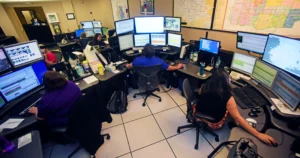
Fire dispatchers operate at the frontline of emergency response, where seconds can mean the difference between life and death. As emergency call volumes rise and incidents become more complex, the need for faster, more accurate decision-making has never been greater. Advanced technologies like artificial intelligence (AI), computer-aided dispatch (CAD) integrations, and real-time data analytics are revolutionizing fire dispatch operations, enabling dispatchers to streamline workflows, optimize resource allocation, and improve overall response effectiveness.
In this article, we explore how these emerging technologies are enhancing fire dispatch accuracy and reducing response times, ultimately benefiting both dispatchers and on-the-ground responders.
The Role of Technology in Modern Fire Dispatch
AI-Powered Call Handling and Decision Support
Artificial intelligence is transforming the way emergency calls are processed. AI-driven speech recognition tools can analyze caller audio in real-time, identifying key details such as distress signals, background noise, and medical conditions. This not only speeds up call classification but also reduces human error by providing automated prompts for dispatchers.
Key Benefits:
- Enhanced Speech-to-Text Conversion: AI tools transcribe emergency calls instantly, helping dispatchers focus on response coordination rather than manual data entry.
- Predictive Incident Analysis: AI can suggest appropriate response protocols based on historical data, helping dispatchers make informed decisions faster.
- Multi-Language Support: Real-time translation ensures accurate communication with non-English-speaking callers.
Computer-Aided Dispatch (CAD) Integrations
Modern CAD systems are integrating with other digital tools to create seamless, data-driven dispatch workflows.
How CAD Enhancements Improve Dispatch Efficiency:
- Automated Resource Allocation: CAD algorithms analyze the nearest available units, ensuring faster response times.
- GPS and Routing Optimization: Live traffic data helps select the quickest route for responding units.
- Incident Pre-Planning: CAD systems can store pre-incident plans, such as hazardous material locations or building layouts, providing first responders with crucial information before arrival.
Real-Time Data Analytics and Situational Awareness
Data analytics tools now play a critical role in predicting fire trends and improving situational awareness during emergencies.
Applications of Real-Time Data in Fire Dispatch:
- Predictive Dispatching: Analyzing past fire incidents to anticipate high-risk areas and pre-position resources accordingly.
- Weather and Environmental Monitoring: Integrating data from weather agencies and IoT sensors to assess fire risks in real time.
- Interagency Coordination: Cloud-based platforms enable seamless communication between fire departments, EMS, and law enforcement for multi-agency responses.
Implementing Advanced Technology: Best Practices for Fire Dispatch Centers
1. Invest in Training and User Adoption
Technology is only as effective as the people using it. Fire dispatch centers must invest in comprehensive training programs to ensure dispatchers are comfortable and proficient with new tools.
2. Leverage AI for Quality Assurance
AI-driven analytics can review call recordings to identify trends, training opportunities, and areas for improvement. This supports ongoing dispatcher education and performance enhancement.
3. Enhance Cybersecurity Measures
As dispatch systems become more digital, protecting sensitive emergency response data from cyber threats is critical. Centers should implement robust cybersecurity frameworks and regularly update software.
4. Partner with Technology Providers
Collaboration with tech developers ensures that CAD systems, AI tools, and analytics platforms align with the evolving needs of emergency response teams.
Conclusion
Advanced technology is redefining fire dispatch operations, making emergency response faster, more accurate, and more efficient. AI-powered call handling, CAD integrations, and real-time data analytics are equipping dispatchers with the tools they need to perform at their best under pressure. By embracing these innovations, fire dispatch centers can improve response times, enhance situational awareness, and ultimately save more lives.
Call to Action:
How is your dispatch center leveraging technology to improve response effectiveness? Share your experiences and insights in the comments below or explore our additional resources on dispatcher training and best practices.