Dispatchers often process trauma second hand—but that doesn’t make the impact any less real. From guiding CPR over the phone to coordinating response to mass casualty events, these professionals shoulder intense emotional weight. While their contributions are vital, support for their mental health has historically lagged behind. One proven strategy to address this gap is Critical Incident Stress Management (CISM).
Originally developed for first responders, CISM provides structured debriefings after high-impact events. For Dispatchers, this means access to trained peers and mental health tools that reduce burnout, prevent long-term psychological effects, and build a more resilient team. In this post, we’ll explore what CISM is, how it works, and how dispatch centers can begin implementing it to support their staff.
What is CISM?
CISM, or Critical Incident Stress Management, is a comprehensive, integrative system designed to help emergency responders process traumatic events. It includes several components, but in the dispatch context, the most relevant are:
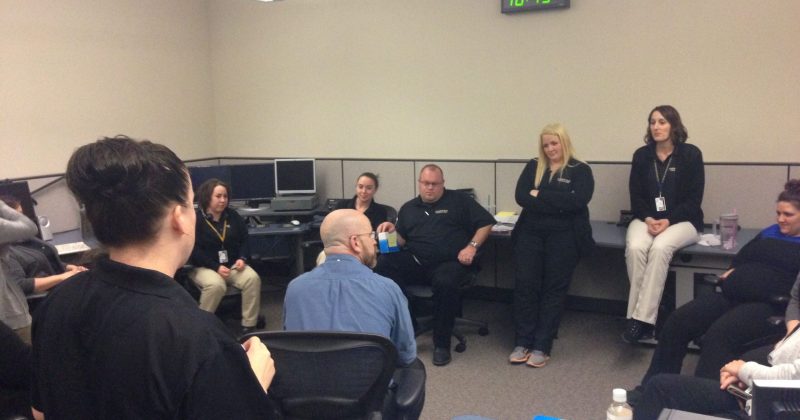
- Critical Incident Stress Debriefings (CISDs): Peer-led, confidential group discussions shortly after a major event.
- Defusings: Informal, time-sensitive sessions within a few hours of an incident.
- Peer Support: Trained dispatchers or public safety staff offering one-on-one check-ins.
- Referral Systems: Pathways to connect individuals to clinical mental health care when needed.
The goal of CISM is not therapy—it’s prevention. By addressing stress before it becomes embedded, we create space for healthy coping, mutual support, and long-term wellness.
Why Dispatchers Need CISM
Unlike firefighters or EMS crews who leave a scene, Dispatchers often go from one traumatic call straight into another with no pause. This unique reality makes the role especially vulnerable to cumulative stress injuries.
Key factors that highlight the need for CISM in dispatch centers:
- Cumulative Exposure: Years of trauma build silently.
- Invisible Impact: Dispatchers often feel overlooked when mental health support is deployed to field crews.
- High-Stakes Responsibility: Every decision can influence life-or-death outcomes.
- Isolation: Many Dispatchers don’t talk about how calls affect them, especially when leadership doesn’t model it.
Centers that implement CISM report improved morale, reduced absenteeism, and fewer signs of chronic stress among their teams.
How to Implement CISM in Your Dispatch Center
Here’s a step-by-step guide for agencies ready to explore CISM:
1. Gain Buy-In from Leadership
Start with education. Share research on CISM effectiveness and highlight its growing adoption among public safety agencies.
2. Select and Train Peer Supporters
Look for experienced Dispatchers with strong interpersonal skills. Enroll them in a reputable CISM course (e.g., from the International Critical Incident Stress Foundation).
3. Establish Activation Protocols
Define what qualifies as a “critical incident” (e.g., child fatality, officer-involved shooting, prolonged CPR event) and create a checklist for when to initiate debriefings.
4. Build a Referral Network
Partner with culturally competent mental health professionals who understand public safety.
5. Normalize Participation
Remove stigma by integrating CISM into your culture. Leaders should attend debriefings, and participation should be encouraged—not mandatory.
Real-World Example: Seattle Fire Department’s Peer Support Integration
The Seattle Fire Department (SFD) has established a comprehensive Peer Support and Critical Incident Stress Management (CISM) program to address the mental health needs of its personnel. This program includes trained peer supporters who provide confidential assistance to colleagues dealing with the aftermath of traumatic incidents. The initiative underscores the department’s commitment to fostering a supportive environment where firefighters and emergency responders can seek help without stigma.
SFD’s approach involves proactive outreach, regular training sessions, and collaboration with mental health professionals to ensure that support is both accessible and effective. By integrating peer support into their operational framework, the department not only aids in immediate stress management but also promotes long-term resilience among its members.
This model serves as a valuable example for other emergency services looking to implement or enhance their own mental health support systems.
How CISM Supports Long-Term Resilience
A successful CISM program does more than offer one-time sessions. It builds a culture where emotional support is routine:
- Fosters peer trust
- Improves communication between field and dispatch
- Reduces turnover and emotional fatigue
- Supports early intervention before PTSD develops
Centers that invest in mental health infrastructure are better equipped to retain staff, respond to crises, and nurture leadership.
Conclusion
Critical Incident Stress Management isn’t just a nice-to-have—it’s a necessity. As Dispatchers continue to bear witness to unimaginable moments, we owe them structured, proactive support. Implementing CISM fosters not only resilience but trust, healing, and professional longevity.
If your center hasn’t yet explored CISM, now is the time. You can begin with one trained peer. One conversation. One small shift in how we treat trauma. And from there, we build a healthier future—together.