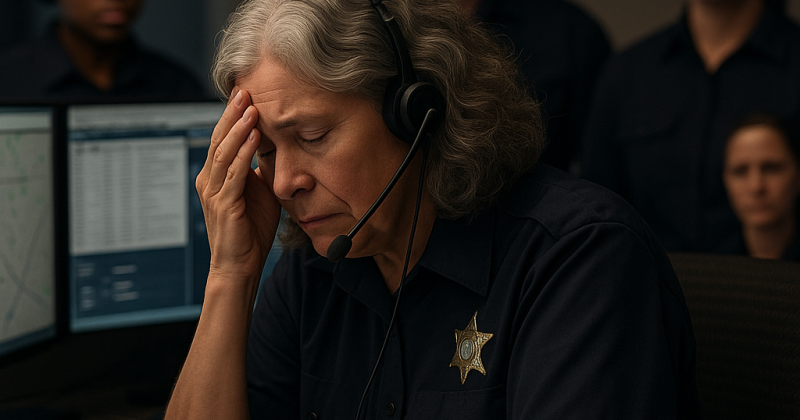
Every communications center has one: the Dispatcher who knows the quirks of every CAD update, who gets the call when something breaks, who new hires instinctively turn to. They’re the “go-to”—the one everyone counts on.
But what happens when being the go-to becomes overwhelming?
While it’s a testament to skill and dependability, this role can quickly lead to fatigue, resentment, and burnout if not properly supported. In this post, we’ll explore how leaders can proactively support their high-performing team members, preserve morale, and ensure no one person becomes a crutch for a broken system.
The Hidden Cost of Being the ‘Go-To’ Dispatcher
Excessive responsibility:
Others may offload tasks or avoid learning, knowing “someone else will handle it.”Unspoken expectations:
High performers are often expected to handle more with fewer breaks.Reduced growth for the team:
When one person handles everything, others don’t build confidence or competence.
🔗 Related: Leading Through Change: Managing Transitions in Fire Dispatch Centers
🔗 Related: The Role of Leadership in Promoting Mental Health Among Dispatch Teams
Spotting the Signs of Burnout
Leaders should regularly assess for these red flags:
- Irritability or withdrawal from team interaction
- Decreased engagement or increased sick days
- A visible drop in performance or attention to detail
- Verbal cues like “I just can’t do this anymore”
How Leaders Can Prevent Overload
1. Normalize Shared Ownership
Leaders must clarify that everyone on the team is expected to learn and contribute. Tactics include:
- Cross-training staff
- Assigning rotating “point person” shifts
- Rewarding team support behavior in evaluations
2. Set Clear Role Boundaries
Not every question needs to go to the same person. To reduce dependence:
- Use SOPs, shared drives, and cheat sheets
- Encourage team members to try solving issues independently first
- Designate tiers of responsibility for different types of issues
3. Support with Policies, Not Praise Alone
Don’t just thank the go-to person—protect them:
- Create fair workload distributions
- Offer schedule flexibility or bonus time
- Regularly check in and ask, “Is this sustainable for you?”
4. Promote Peer Development
Encourage newer or quieter team members to take the lead in low-risk scenarios:
- Let them teach parts of in-service trainings
- Pair them with newer hires to shadow
- Build confidence by assigning mini-projects
What the Go-To Dispatcher Can Do for Themselves
If you are that person, here’s how to help your team and yourself:
- Speak up early when things feel heavy
- Practice saying, “I can help later,” not always “right now”
- Share your knowledge openly—don’t guard it out of habit
- Keep a quick journal to track what you’re taking on (use it during check-ins)
Conclusion
The communications center can’t function without its MVPs—but they can’t carry it all alone. Leadership means recognizing when your top Dispatcher is taking on too much and having the courage to act before burnout takes root.
Support your “go-to” team members with proactive planning, fair workloads, and team growth opportunities—and you’ll keep them thriving, not just surviving.
👉 Want more leadership tips for your Dispatch Center? Subscribe now to The Alarm Room newsletter or share this with your team!