Introduction
The fire service has always relied on fast decision-making, field experience, and teamwork. But today’s reality demands something more: data. Predictive analytics is changing the game for public safety by giving dispatchers and firefighters the tools to forecast fire incidents before they occur. While we’ll never eliminate emergencies entirely, the ability to spot patterns and plan ahead—powered by data—can drastically improve response times, resource deployment, and public outcomes.
Dispatch centers hold a treasure trove of information—from call volume and incident types to response timelines and geographic data. When this information is analyzed with purpose, it becomes a powerful tool. Predictive analytics allows us to turn raw data into insights that guide decisions, allocate personnel more effectively, and even prevent loss of life. It’s not about replacing instinct; it’s about enhancing it. This post explores how dispatchers and fire services can work together using predictive analytics to anticipate risks and respond more effectively—creating a smarter, safer future for the communities we serve.
Understanding Predictive Analytics in Public Safety
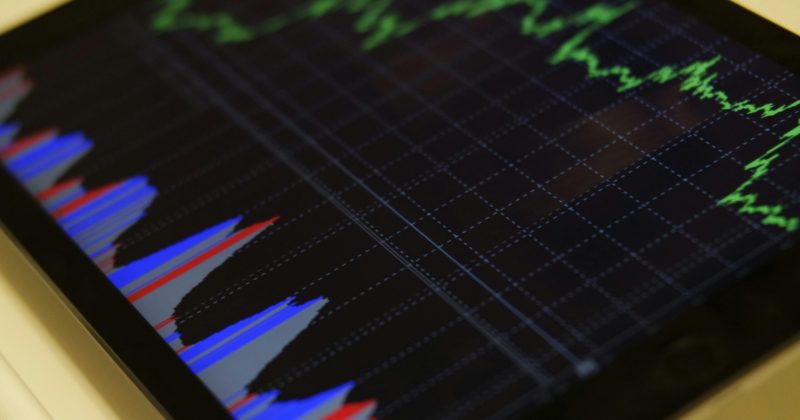
Predictive analytics uses historical data, statistical models, and machine learning algorithms to forecast future events. In public safety, this means identifying high-risk times, locations, and conditions that may lead to fire incidents or high call volumes.
Agencies using this approach are already seeing benefits:
- New York City Fire Department (FDNY) utilizes the Risk-Based Inspection System (RBIS) to prioritize building inspections based on predictive risk models.
- Los Angeles Fire Department (LAFD) leverages weather, terrain, and historical fire data to position resources proactively during wildfire season.
Dispatchers are at the core of this process. By tracking trends in call volume, time-of-day incidents, and location-specific emergencies, they become a crucial link between data analysis and real-time action.
The Role of Dispatch in Emergency Forecasting
Dispatchers are more than just the first point of contact—they are operational strategists. By reviewing patterns such as:
- Frequent false alarms in certain neighborhoods
- Peaks in structure fires during heatwaves
- Delayed response times during specific hours or zones
…they help refine the models used for predictive analytics.
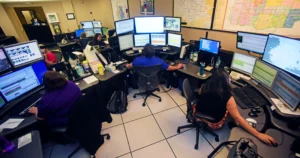
This intelligence allows for proactive scheduling, targeted community education campaigns, and improved mutual aid coordination. With tools like CAD (Computer-Aided Dispatch) systems and RMS (Records Management Systems) integrated into data dashboards, dispatch centers can flag trends and share real-time insights with command staff.
Integrating Predictive Models into Daily Fire Operations
Here’s how fire departments and dispatchers can begin implementing predictive analytics:
1. Collect and Standardize Data
- Call logs, dispatch times, response durations, GPS locations
- External data such as weather patterns, socioeconomic indicators, and building inspection records
2. Partner with Data Experts
- Collaborate with city data teams or third-party vendors specializing in public safety analytics
- Use platforms like FirstWatch or Darkhorse Analytics for tailored modeling
3. Apply Findings to Operations
- Pre-position apparatus in high-risk areas
- Adjust staffing during high-volume timeframes
- Launch public outreach in predicted fire-prone neighborhoods
Dispatchers can flag anomalies and coordinate responses in real time, ensuring everyone in the loop is armed with insight, not just instinct.
Real-World Impact: A Data-Driven Success Story
Austin Fire Department implemented predictive analytics to identify structures at higher risk for fire based on age, code violations, and neighborhood density. This allowed them to conduct proactive inspections and improve community risk reduction efforts. Dispatchers reported fewer repeat calls from these areas, showcasing the ripple effect of early intervention.
Dispatchers also noted improvements in mental load and workflow. When they understood the “why” behind operational changes, morale improved and collaboration strengthened.
Collaboration is Key: A Unified Response
Predictive analytics is most effective when it fosters shared responsibility between dispatch centers and fire services. To build a collaborative culture:
- Host regular cross-functional debriefs with data analysts, dispatchers, and field personnel
- Encourage dispatcher involvement in strategic planning sessions
- Align data goals with real-world responder needs and field conditions
This ensures that everyone—not just command staff—understands and contributes to the success of predictive tools.
Connecting the Dots with The Alarm Room
For more strategies on integrating data and improving dispatcher-firefighter coordination, explore these related articles:
- Data-Driven Decision Making: How Dispatch Centers and Fire Services Utilize Big Data
- The Benefits of Integrated Emergency Management Systems for Dispatch and Fire Services
- Developing Effective Communication Skills: Bridging the Gap Between Dispatchers and First Responders
Conclusion
Predictive analytics doesn’t just change how we respond—it changes how we prepare. As dispatchers and firefighters adopt data-driven practices, the future of public safety becomes more proactive, efficient, and life-saving. You don’t need to be a data scientist to get involved. You just need the right tools, a commitment to collaboration, and a vision for what smarter response looks like.
Whether you’re at the console or behind the wheel, your insight matters. Let’s keep pushing forward—together.