
Built for Dispatchers, Backed by Experience

March 2025

Female emergency dispatcher wearing a headset, focused on communication at a call center.

Building Resilience: Training Dispatchers to Handle Traumatic Calls

Dispatchers face emotionally intense calls that can leave lasting impacts. This article explores training strategies that prepare them to handle traumatic incidents while preserving their mental health and operational effectiveness. With insights grounded in industry standards and real-world experience, we offer tools, scripts, and best practices to help public safety professionals build resilience before, during, and after critical events.

Building Resilience: Training Dispatchers to Handle Traumatic Calls Read More »

Woman using a laptop while standing in front of a server room filled with network equipment.

The Benefits of Integrated Emergency Management Systems for Dispatch and Fire Services

Integrated Emergency Management Systems (IEMS) unify planning, communication, and response efforts across agencies—streamlining workflows between dispatchers and fire services. This post explores how these systems improve coordination, boost operational efficiency, and elevate dispatchers as key players in incident command structures.

The Benefits of Integrated Emergency Management Systems for Dispatch and Fire Services Read More »

Close-up of a computer screen displaying a financial trading chart with fluctuating candlesticks.

Data-Driven Decision Making: How Dispatch Centers and Fire Services Utilize Big Data

Big data is transforming the way fire services and dispatch centers operate—powering smarter decisions, faster response times, and stronger leadership. Learn how public safety professionals can leverage data analytics to improve outcomes, allocate resources efficiently, and assert their role in strategic planning.

Data-Driven Decision Making: How Dispatch Centers and Fire Services Utilize Big Data Read More »

Speaker presenting to a group of professionals seated in a training room with a projected screen.

Cross-Disciplinary Training: Learning from Law Enforcement and EMS Dispatch Protocol

Cross-disciplinary training empowers fire dispatchers with adaptable skills and operational insights from law enforcement and EMS protocols. By understanding diverse procedures, dispatchers enhance interagency communication, improve incident outcomes, and elevate their leadership role within ICS. Discover how integrated training strengthens your effectiveness and helps your team thrive during multi-jurisdictional emergencies.

Cross-Disciplinary Training: Learning from Law Enforcement and EMS Dispatch Protocol Read More »

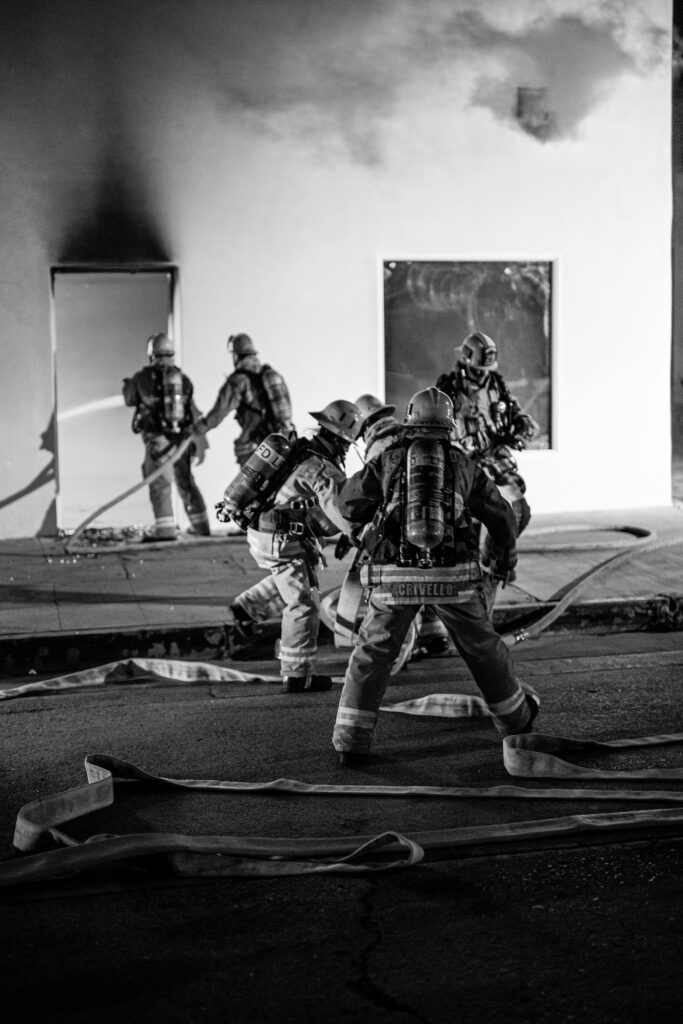
Firefighters advance hose lines during structure fire at night.

Building Trust: Strengthening Relationships Between Dispatchers and Field Responders

Dispatchers and field responders rely on each other—but building trust takes more than a radio check. This article explores practical strategies, grounded in ICS and industry standards, to improve collaboration between the comm center and the field. Learn how integrated training, mutual respect, and clear communication can transform your agency’s response effectiveness.

Building Trust: Strengthening Relationships Between Dispatchers and Field Responders Read More »

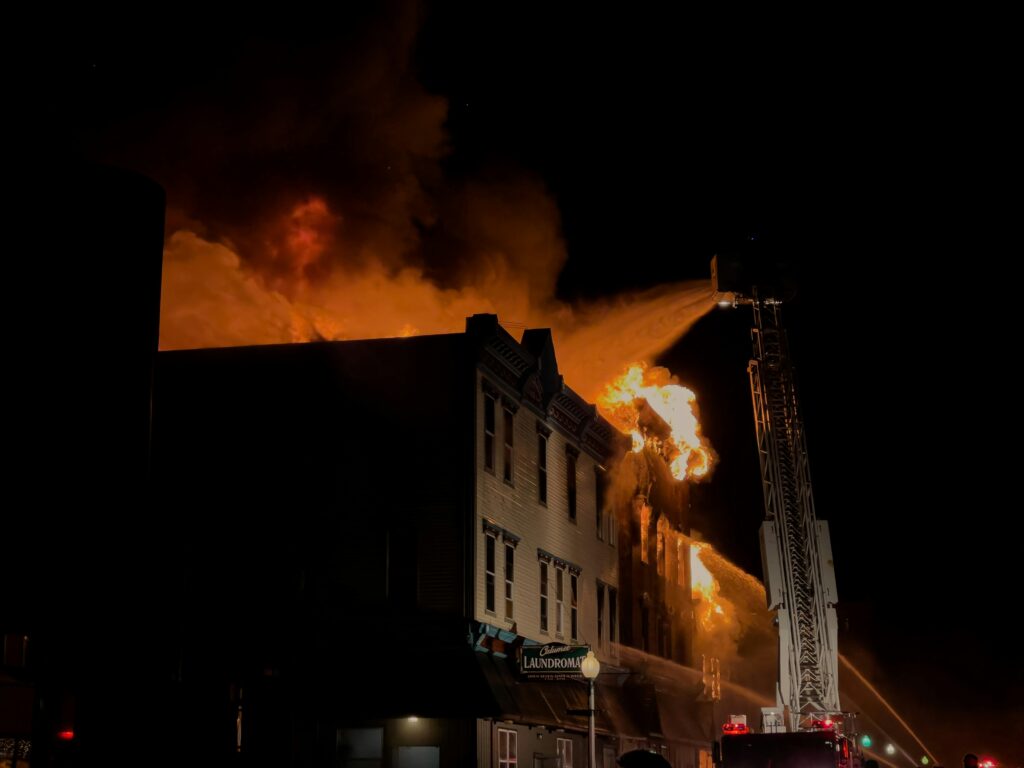
Ladder truck sprays water on fully involved multi-story building fire at night.

Developing Effective Communication Skills: Bridging the Gap Between Dispatchers and First Responders

Clear, timely communication between dispatchers and first responders is critical to public safety operations. This article explores practical strategies to improve information exchange, reduce misunderstandings, and boost on-scene efficiency. Learn how to bridge communication gaps through training, collaboration, and proven frameworks—empowering dispatchers to lead more effectively within the Incident Command System and beyond.

Developing Effective Communication Skills: Bridging the Gap Between Dispatchers and First Responders Read More »